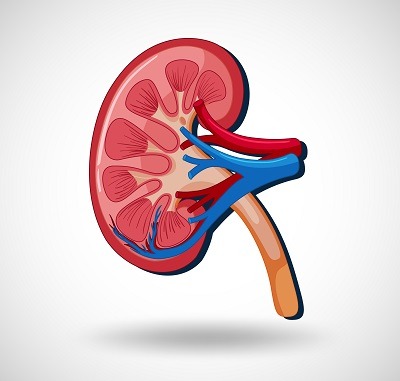
 Diabetes is one of the leading causes of kidney disease worldwide. Over time, high blood sugar levels can damage the kidneys and affect their ability to filter waste products from the blood. This condition is known as Diabetic Kidney Disease, also called diabetic nephropathy. Without proper treatment, it can gradually progress to chronic kidney disease and, in severe cases, kidney failure.
The kidneys contain millions of tiny filtering units that remove toxins, balance fluids, and help maintain overall health. When diabetes remains uncontrolled for years, these delicate filters become damaged and begin leaking protein into the urine. Initially, this damage may not cause noticeable symptoms, which is why many patients remain unaware that their kidneys are being affected.
Early Diabetic Kidney Disease Treatment in Lucknow plays a vital role in slowing disease progression and protecting kidney function. Timely diagnosis allows doctors to control risk factors, reduce complications, and help patients maintain a better quality of life. The sooner kidney damage is identified, the greater the chance of preserving healthy kidney function for years to come.
Dr. Santosh Kumar, Senior Consultant Nephrologist & Kidney Transplant Specialist at Max Super Speciality Hospital, Lucknow, has over 15 years of experience in managing diabetic nephropathy, chronic kidney disease, dialysis care, kidney biopsy, and renal transplantation. His patient-focused approach combines advanced diagnostics, evidence-based treatment, and long-term kidney protection strategies tailored to each patient’s needs.
Many patients seeking Diabetic Kidney Disease Treatment in Lucknow visit Dr. Santosh Kumar for comprehensive evaluation, early intervention, and expert kidney care aimed at preventing serious complications.
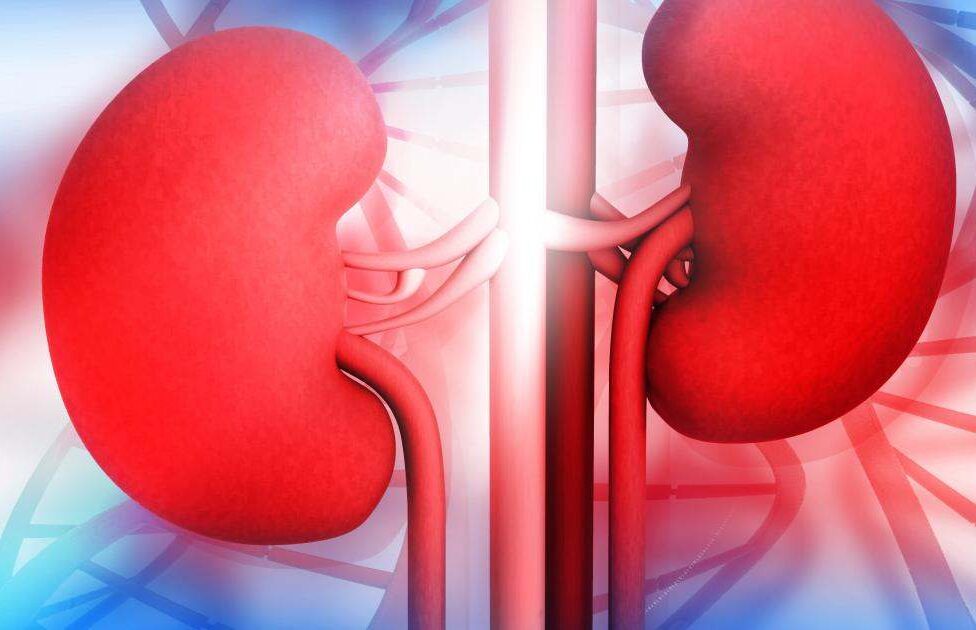
Progressive Loss of Kidney Function
As damage continues, kidney function gradually declines. Waste products and excess fluids begin accumulating in the body, affecting overall health and increasing the risk of complications. This is why early Diabetic Kidney Disease Treatment in Lucknow is essential for slowing disease progression and preserving kidney function.
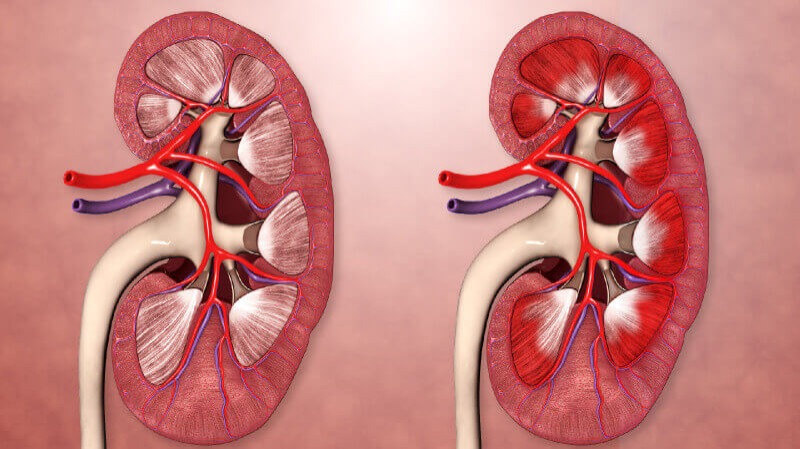
Damage to Glomeruli
The glomeruli are tiny clusters of blood vessels that act as the kidneys' primary filtration system. High blood sugar damages these structures over time, reducing their ability to filter blood efficiently. When the glomeruli become injured, the kidneys lose their ability to retain essential proteins and maintain proper fluid balance.

Protein Leakage into Urine
One of the earliest signs of diabetic kidney disease is protein leakage into the urine, often referred to as albuminuria. Healthy kidneys prevent protein loss, but damaged filters allow protein to escape into the urine. Routine urine testing can detect this problem early, even before symptoms become noticeable.
Risk of Chronic Kidney Disease and Kidney Failure
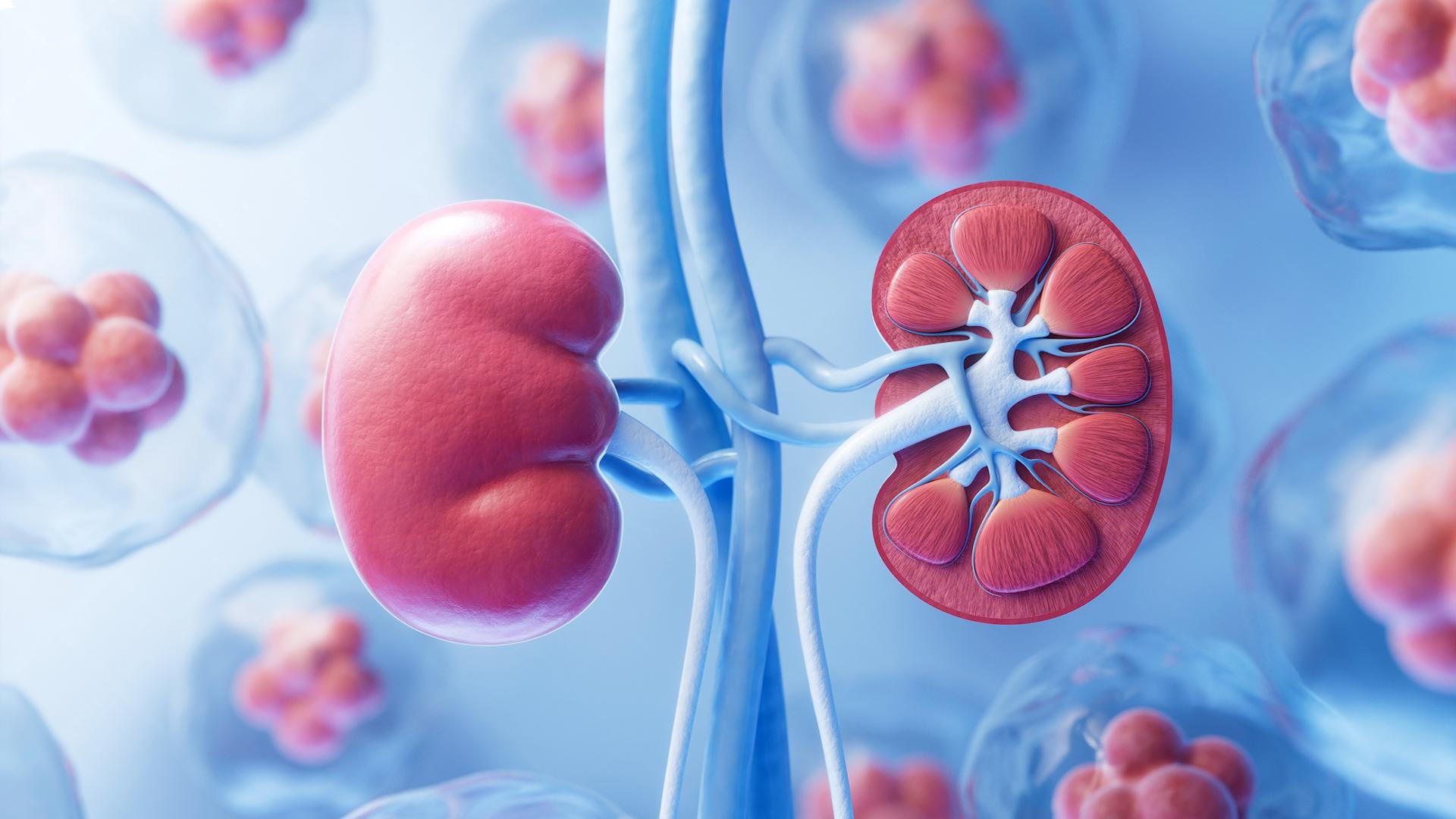
Without timely intervention, diabetic nephropathy can progress to chronic kidney disease and eventually end-stage kidney disease. At advanced stages, dialysis or kidney transplantation may become necessary. Working with an experienced Diabetic Kidney Disease Doctor in Lucknow can help patients manage diabetes-related kidney damage before it reaches this stage.
High Blood Sugar and Kidney Filters
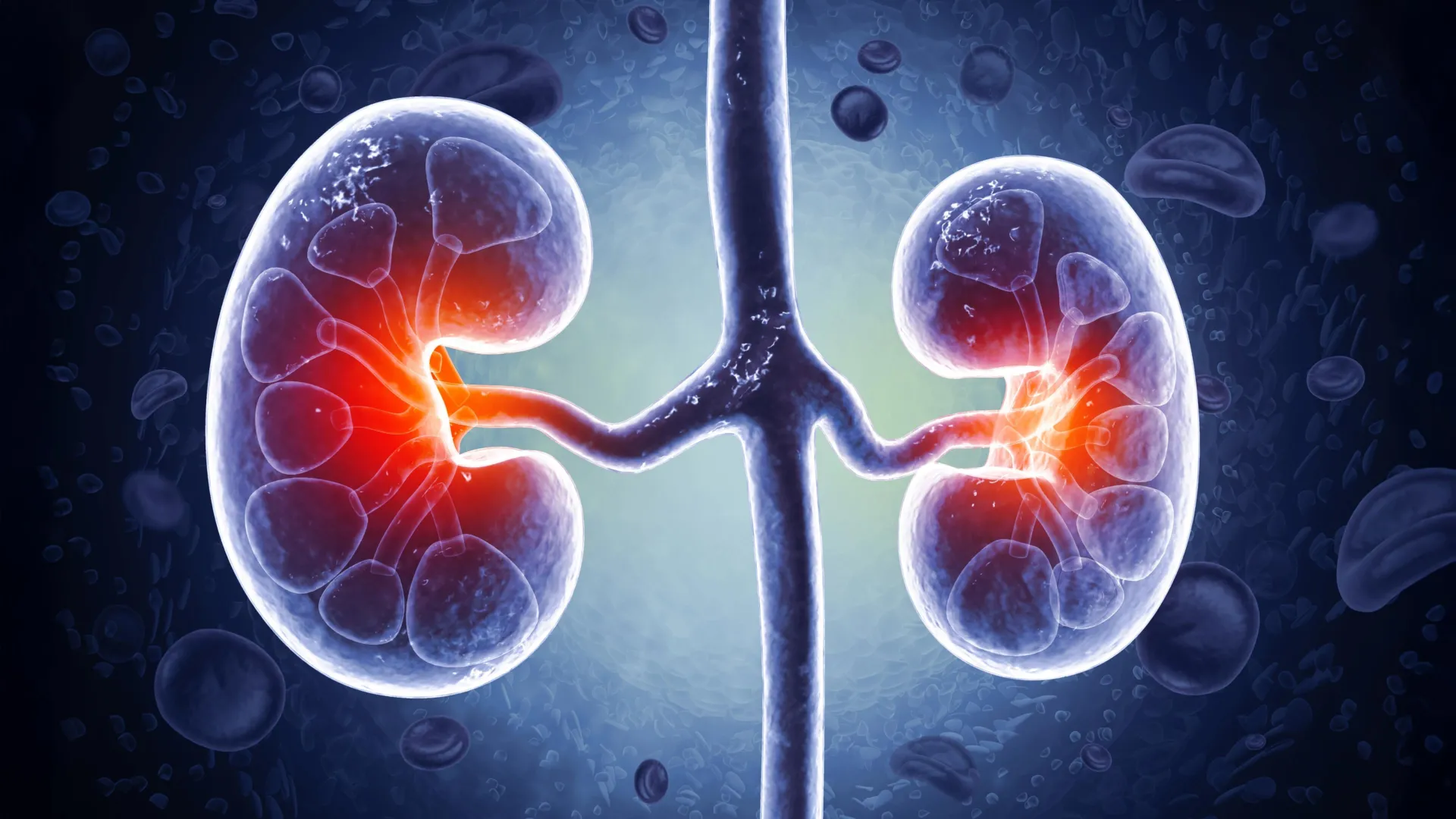
Healthy kidneys filter blood continuously while retaining important substances such as proteins. Persistently elevated blood sugar levels place stress on these filtering units and gradually weaken their structure. As the kidneys work harder to filter excess glucose from the bloodstream, microscopic damage begins to occur. Although this process may not cause symptoms initially, it can eventually lead to permanent kidney injury.
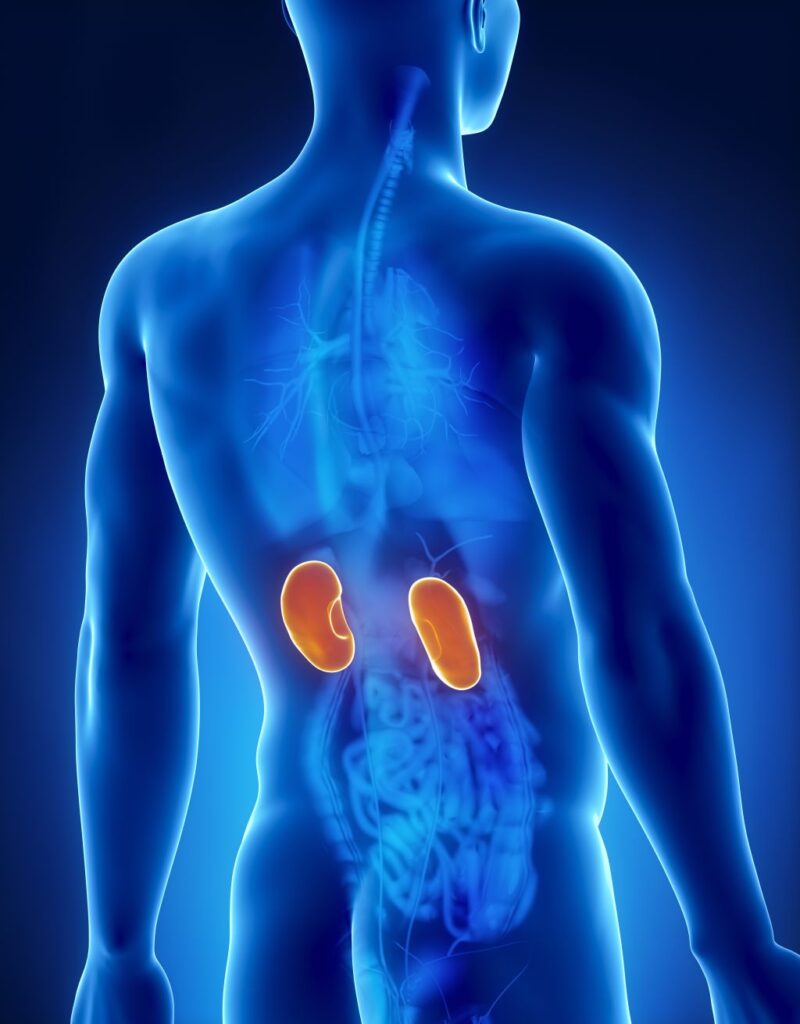
 Without timely medical care, diabetic kidney disease can progressively damage the kidneys and increase the risk of serious health complications. As kidney function declines, waste products and excess fluids begin to accumulate in the body, affecting multiple organs and overall well-being. Patients may develop chronic kidney disease (CKD), which can gradually progress to kidney failure and eventually require dialysis or kidney transplantation. In addition, uncontrolled diabetic kidney disease increases the risk of fluid retention, causing swelling in the feet, ankles, legs, and even the lungs.
The condition is also closely linked to cardiovascular problems such as heart disease, stroke, and high blood pressure. Frequent hospitalizations may become necessary due to worsening kidney function and related complications. Seeking early Diabetic Kidney Disease Treatment in Lucknow can help slow disease progression, reduce the risk of kidney failure, prevent complications, and improve long-term quality of life. Regular monitoring and treatment by an experienced Diabetic Kidney Disease Doctor in Lucknow play a crucial role in protecting kidney health and maintaining overall wellness.
 In some patients, diabetic kidney disease may continue to progress despite proper treatment and lifestyle modifications. When kidney function becomes severely reduced, the kidneys can no longer effectively remove waste products, excess fluids, and toxins from the body. At this stage, advanced treatment options such as dialysis may become necessary. Dialysis helps perform many of the functions of healthy kidneys and can relieve symptoms such as swelling, fatigue, shortness of breath, and fluid retention. Depending on the patient’s condition, different forms of dialysis, including hemodialysis, peritoneal dialysis, and hemodiafiltration, may be recommended as part of comprehensive Diabetic Kidney Disease Treatment in Lucknow.
For suitable candidates, kidney transplantation may provide the best long-term solution for advanced diabetic kidney disease. A successful transplant can restore kidney function, improve quality of life, and reduce dependence on dialysis. Dr. Santosh Kumar, an experienced Diabetic Kidney Disease Doctor in Lucknow, provides complete transplant evaluation, donor assessment, and post-transplant follow-up care to ensure the best possible outcomes. Even after dialysis or transplantation, regular monitoring and ongoing kidney care remain essential to protect long-term kidney health and prevent future complications.