
Nephrotic Syndrome Treatment
- Home
- Nephrotic Syndrome Treatment
Understanding Nephrotic Syndrome and Its Impact on Kidney Health
Nephrotic Syndrome is a kidney disorder that causes the body to lose excessive amounts of protein through urine. Although it can affect both children and adults, timely diagnosis and specialized treatment are essential to prevent serious kidney complications. The condition develops when the tiny filtering units inside the kidneys become damaged, allowing important proteins that should remain in the bloodstream to leak into the urine.
Healthy kidneys play a vital role in filtering waste products, removing excess fluids, balancing electrolytes, and retaining essential proteins in the body. These proteins help maintain fluid balance, support immunity, and perform several important functions. When kidney filters become damaged, large amounts of protein are lost through urine, leading to swelling, weakness, and an increased risk of infections and blood clots.
Seeking early Nephrotic Syndrome Treatment in Lucknow is important because untreated protein loss can gradually affect kidney function and overall health. While some patients may initially notice mild swelling or fatigue, the condition can progress and lead to serious complications if left unmanaged.
Dr. Santosh Kumar, Senior Consultant Nephrologist & Kidney Transplant Specialist at Max Super Speciality Hospital, Lucknow, has extensive experience in diagnosing and treating complex kidney disorders. With more than 15 years of expertise in nephrology, dialysis, kidney biopsy, and renal transplantation, he provides comprehensive care for patients suffering from nephrotic syndrome and other kidney diseases. His patient-focused approach helps individuals understand their condition and receive personalized treatment based on their specific needs.
What Happens Inside the Kidneys During Nephrotic Syndrome?
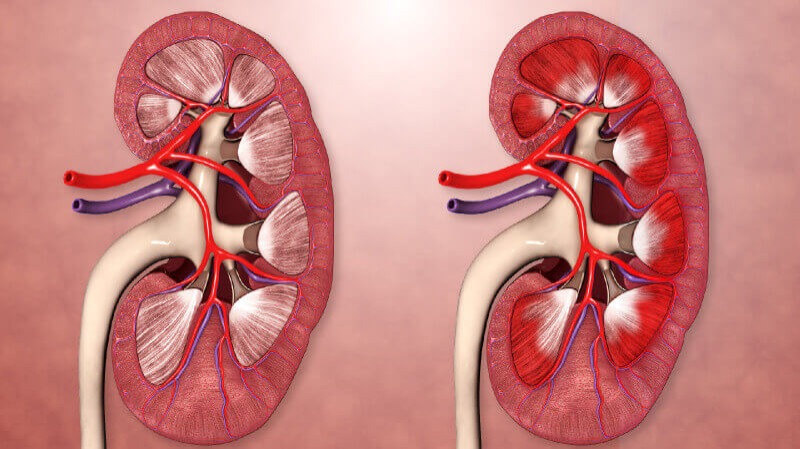
To understand nephrotic syndrome, it is important to know how the kidneys normally function. Each kidney contains millions of microscopic filtering units called glomeruli. These filters allow waste products and excess fluids to pass into the urine while retaining important substances such as proteins and blood cells.
When nephrotic syndrome develops, the glomeruli become damaged and lose their ability to function as effective filters. As a result, proteins that should remain in the bloodstream begin leaking into the urine.

Damage to Glomeruli
The primary problem in nephrotic syndrome is injury to the glomeruli. This damage can occur due to diabetes, autoimmune disorders, infections, or other kidney diseases. Once these filters become inflamed or scarred, their ability to prevent protein loss is reduced.

Protein Loss Through Urine
One of the defining features of nephrotic syndrome is excessive protein loss through urine, also known as proteinuria. This protein leakage can be detected through urine testing and is often one of the earliest signs of the condition.
Low Blood Protein Levels
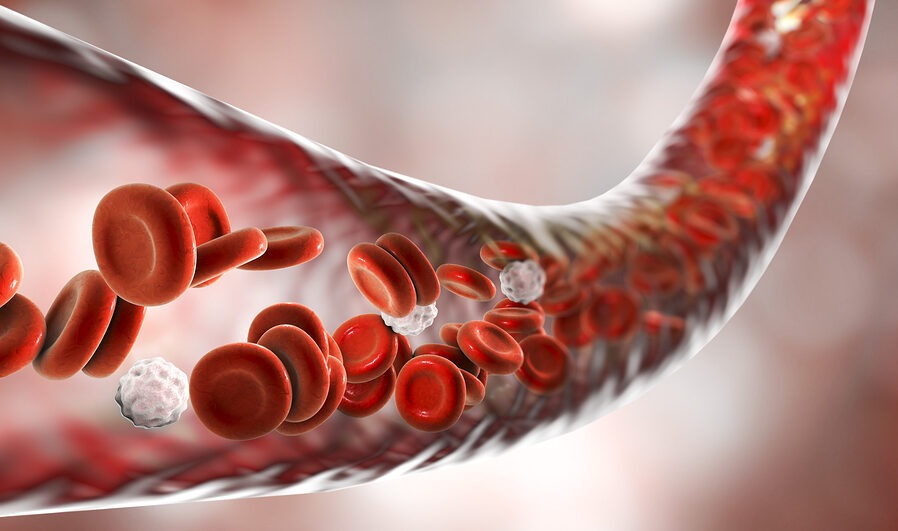
As protein continues to leave the body through urine, blood protein levels begin to fall. Low albumin levels can affect the body's ability to maintain normal fluid balance, resulting in swelling and other complications.

Fluid Retention and Swelling
Reduced blood protein levels cause fluid to move from the bloodstream into surrounding tissues. This leads to swelling around the eyes, feet, ankles, legs, and sometimes the abdomen.
Increased Risk of Infections and Blood Clots
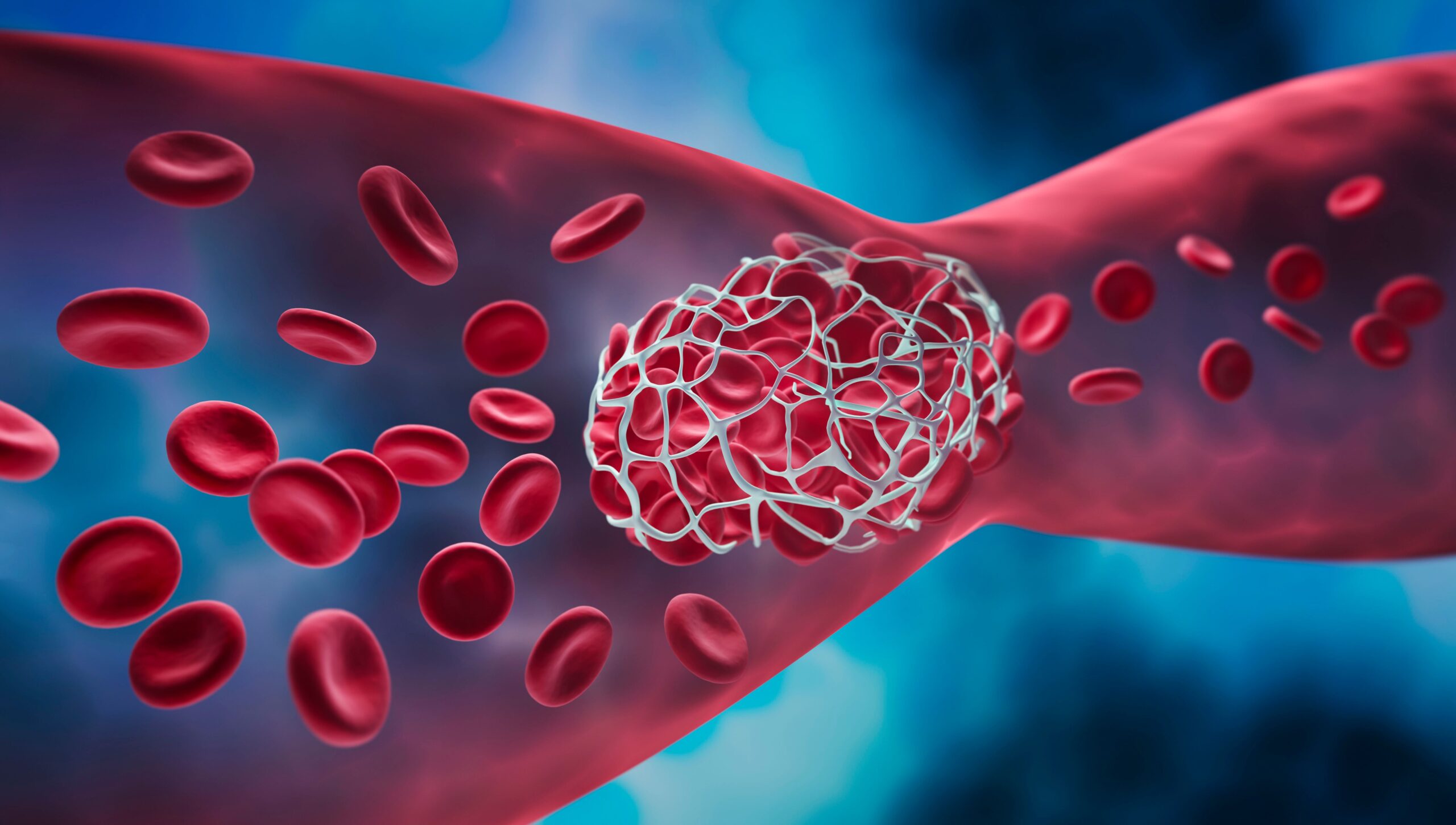
Protein loss also affects immune system function and blood clot regulation. Consequently, patients with nephrotic syndrome may have a higher risk of developing infections and abnormal blood clots.
Have Any Query : Call us at 78809218030 or make an Appointment
Common Causes of Nephrotic Syndrome
Diabetic Kidney Disease
Diabetes is one of the leading causes of kidney damage worldwide. Persistently high blood sugar levels can gradually damage the glomeruli, causing protein leakage and increasing the risk of nephrotic syndrome. Patients with diabetes should undergo regular kidney evaluations to detect early signs of kidney disease.
Minimal Change Disease
Minimal Change Disease is a common cause of nephrotic syndrome, particularly in children. Although the kidneys may appear normal under a regular microscope, specialized testing reveals subtle changes affecting kidney filtration. This condition often responds well to medical treatment.
Focal Segmental Glomerulosclerosis (FSGS)
FSGS is a kidney disorder characterized by scarring in certain areas of the glomeruli. Over time, this scarring reduces kidney function and leads to significant protein loss. Early diagnosis is important to slow disease progression and preserve kidney health.
Membranous Nephropathy
Membranous nephropathy occurs when the glomerular membranes become thickened due to immune system activity. This condition commonly causes proteinuria and may require specialized treatment to reduce kidney damage.
Lupus and Autoimmune Disorders
Autoimmune diseases such as lupus can attack kidney tissues and trigger inflammation within the glomeruli. This immune-mediated damage often leads to nephrotic syndrome and requires careful management by an experienced Nephrologist in Lucknow.
Certain Infections and Medications
Some infections, including hepatitis and other viral illnesses, may contribute to kidney inflammation. Additionally, prolonged use of certain medications can occasionally damage kidney filters and increase the risk of nephrotic syndrome.
Dietary Guidelines for Patients with Nephrotic Syndrome
Diet plays a major role in managing nephrotic syndrome and supporting recovery. Along with medications, proper nutrition can help reduce symptoms and improve treatment outcomes.
Patients are generally advised to limit salt intake because excess sodium increases swelling and fluid retention. Protein intake should be balanced carefully since excessive protein consumption may place additional stress on the kidneys. Healthy fats are preferred over processed and fried foods, especially when cholesterol levels are elevated.
Fluid intake recommendations vary depending on the degree of swelling and kidney function. Processed foods, packaged snacks, sugary beverages, and excessive fast food should be minimized whenever possible. Nutritional counseling helps patients follow a kidney-friendly diet while ensuring adequate nutrition during Nephrotic Syndrome Treatment in Lucknow.
Potential Complications of Untreated Nephrotic Syndrome
atment, nephrotic syndrome can lead to serious health complications that affect multiple organs. Persistent protein loss may gradually result in chronic kidney disease and eventually kidney failure. Severe swelling can interfere with daily activities and reduce quality of life. The risk of infections increases because important immune proteins are lost through urine.
Patients may also develop dangerous blood clots, particularly in the legs and lungs. In addition, high cholesterol levels can increase the risk of cardiovascular disease. Long-term protein deficiency may lead to malnutrition, muscle weakness, and poor overall health. Seeking early Nephrotic Syndrome Treatment in Lucknow helps prevent these complications and improves long-term outcomes.
Can Nephrotic Syndrome Be Prevented?
Although not every case can be prevented, several steps can significantly reduce the risk of kidney damage and protein loss. Maintaining good diabetes control is one of the most effective preventive measures. Proper blood pressure management also protects the delicate kidney filters from long-term injury. Regular kidney checkups are especially important for individuals with diabetes, autoimmune disorders, or a family history of kidney disease. A healthy lifestyle that includes regular exercise, balanced nutrition, adequate hydration, and avoidance of smoking can support kidney health. Most importantly, seeking medical attention at the earliest sign of swelling, frothy urine, or unexplained weight gain can lead to timely diagnosis and treatment.
Recovery, Monitoring, and Long-Term Kidney Care
Regular follow-up appointments are essential during Nephrotic Syndrome Treatment in Lucknow. These visits allow doctors to monitor urine protein levels, kidney function, blood pressure, cholesterol levels, and medication response. Periodic blood and urine tests help ensure that treatment remains effective and that complications are detected early.
Patients are encouraged to take medications exactly as prescribed and follow dietary recommendations consistently. Long-term kidney protection requires a combination of medical care, healthy lifestyle habits, and routine monitoring. With proper treatment and follow-up, many patients can successfully control their condition and maintain good kidney function for years.
Why Patients Trust Dr. Santosh Kumar for Nephrotic Syndrome Treatment in Lucknow
Choosing an experienced nephrologist is one of the most important decisions for patients living with kidney disease. Dr. Santosh Kumar is a Senior Consultant Nephrologist & Kidney Transplant Specialist at Max Super Speciality Hospital, Lucknow. With more than 15 years of experience in nephrology, he has successfully treated over 10,000 patients suffering from various kidney disorders.
Why Choose Dr. Santosh Kumar?
- 15+ Years of Experience in Kidney Disease Management
- 10,000+ Patients Successfully Treated
- 1,000+ Kidney Biopsies Performed
- Expertise in Complex Kidney Disorders
- Advanced Diagnostic and Treatment Facilities
- Personalized Treatment Plans for Every Patient
- Evidence-Based Medical Care
- Comprehensive Kidney Disease Management
Patients seeking Nephrotic Syndrome Treatment in Lucknow, Protein Loss Kidney Disease Treatment, or care from a trusted Nephrologist in Lucknow benefit from his patient-centered and evidence-based approach.
Frequently Asked Questions
Patients should generally limit salt, processed foods, packaged snacks, fried foods, sugary beverages, and excessive fast food. A personalized diet plan is often recommended during Nephrotic Syndrome Treatment in Lucknow.